
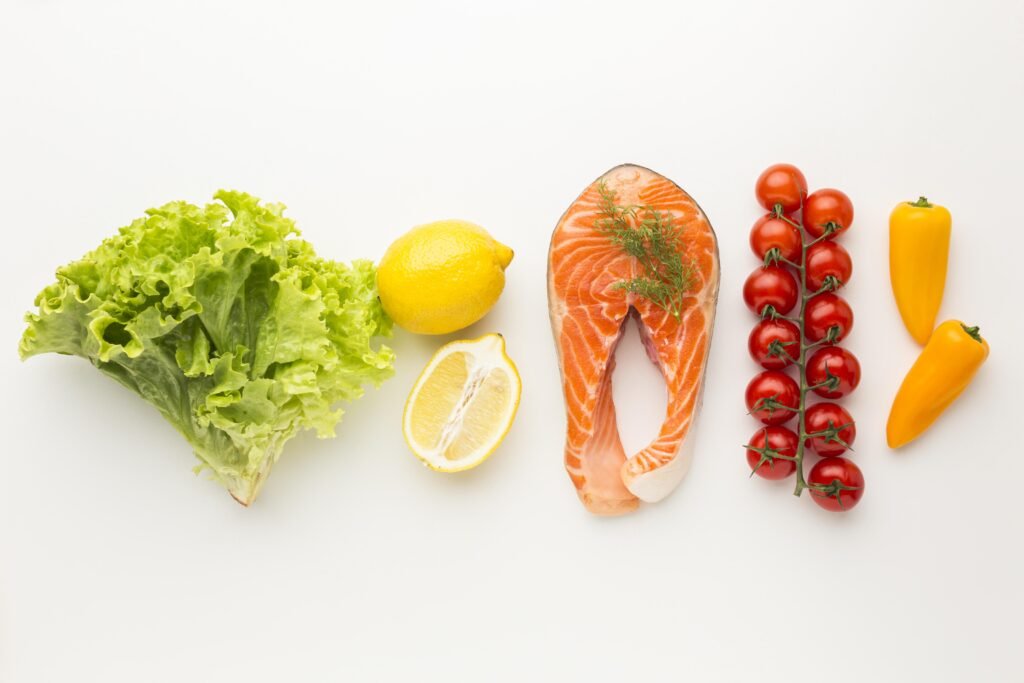
Do you know which common breakfast food could be silently raising your blood pressure? Have you ever wondered why some people can eat salt with seemingly no effect while others see their blood pressure spike? Are you confused by conflicting advice on which foods actually help lower blood pressure naturally?
These questions plague many of the nearly 1.3 billion people worldwide living with hypertension, a condition that remains the leading preventable risk factor for heart disease and stroke. What we eat plays a crucial role in managing blood pressure—yet misconceptions about \”heart-healthy\” foods abound, often leading people down ineffective dietary paths.
The relationship between food and blood pressure isn\’t always intuitive. Some fruits can significantly lower blood pressure readings within weeks. Certain vegetables contain compounds that dilate blood vessels more effectively than others. And specific proteins may help regulate blood pressure through mechanisms many people have never heard about.
At Dr. Babak Clinic, we\’re committed to cutting through the confusion with evidence-based nutrition guidance. In this comprehensive guide, we\’ll explore the foods with the strongest scientific backing for blood pressure management—giving you practical, actionable information you can use starting with your very next meal.
Potassium-Rich Fruits for Blood Pressure Management

When it comes to managing high blood pressure naturally, potassium-rich fruits are your heart\’s best friends. Potassium works like nature\’s own blood pressure regulator by helping your body eliminate excess sodium and relaxing blood vessel walls. Think of sodium and potassium as opposing forces in your body—while sodium increases blood pressure, potassium helps lower it.
Let\’s explore how different categories of fruits can help you maintain healthy blood pressure levels through their potassium content and other beneficial compounds.
Everyday Accessible Fruits
Bananas are perhaps the most well-known potassium source, and for good reason. They\’re convenient, affordable, and available year-round. The potassium in bananas helps your kidneys flush out excess sodium through urine, essentially acting as a natural diuretic. Think of it as opening a pressure release valve for the sodium that might otherwise increase your blood pressure. Bananas also contain fiber that supports overall heart health.
Oranges and other citrus fruits offer a powerful combination of potassium and beneficial plant compounds called flavonoids. These flavonoids, particularly in oranges and grapefruits, help improve blood vessel function by enhancing nitric oxide production. Nitric oxide signals your blood vessels to relax and widen, reducing pressure within your arteries—similar to how some blood pressure medications work. The vitamin C in citrus fruits also protects your blood vessels as an antioxidant, maintaining their flexibility and health.
On the Dr. Babak Clinic blog, we have prepared a free information database about various diseases, including high blood pressure, for you, our dear readers. By reviewing these resources, you will gain valuable information for controlling and preventing these conditions. To access the first part of the information, you can use the links below:
- what is normal blood pressure?
- symptoms of high blood pressure
- blood pressure reading chart
- hypertension causes
- how to measure blood pressure at home
- lower blood pressure number
Summer Hydrating Fruits
Watermelon does double duty for blood pressure health. Beyond providing potassium, watermelon contains an amino acid called L-citrulline that your body converts into nitric oxide. This compound helps your blood vessels dilate and improves blood flow. Watermelon is particularly beneficial during hot weather when staying hydrated is crucial for maintaining healthy blood pressure. The combination of high water content and blood pressure-lowering compounds makes watermelon an ideal summer fruit for heart health.
Kiwi might be small, but it packs impressive blood pressure benefits. With good amounts of potassium, vitamin C, vitamin E, and dietary fiber, kiwi supports cardiovascular health in multiple ways. What makes kiwi particularly special is its unique combination of nutrients that work together to improve blood vessel function and reduce inflammation—both key factors in maintaining healthy blood pressure. Kiwis are easy to incorporate into your diet as a snack or breakfast addition.
Nutrient-Dense Powerhouse Fruits
Avocados offer a unique combination of heart-healthy monounsaturated fats and impressively high potassium content—containing more potassium than bananas. The healthy fats in avocados help improve your cholesterol profile while the potassium helps regulate blood pressure. This creates a powerful combination for overall cardiovascular health. Adding avocado to your toast, salad, or as a side dish provides lasting heart benefits beyond just blood pressure control.
Pomegranates contain powerful antioxidant compounds called polyphenols that support blood vessel health and function. These compounds help enhance nitric oxide production, reduce inflammation in your arteries, and may even mimic the action of certain blood pressure medications. The rich ruby-red juice and seeds of pomegranates can be enjoyed as a juice, in salads, or simply eaten fresh for their blood pressure benefits.
Vegetables That Help Lower High Blood Pressure
Vegetables are essential allies in the battle against high blood pressure. Rich in potassium, magnesium, and beneficial plant compounds, they work through multiple mechanisms to keep your blood vessels healthy and your blood pressure in check. Let\’s explore the most effective vegetables for hypertension management.
Leafy Greens: Nature\’s Blood Pressure Medicine
Leafy greens like spinach, kale, arugula, and Swiss chard are among the most powerful vegetables for reducing high blood pressure. Their effectiveness comes from two key components: nitrates and potassium. Nitrates convert to nitric oxide in your body, which relaxes blood vessels and improves blood flow. Meanwhile, potassium helps your body eliminate excess sodium, counteracting its blood pressure-raising effects.
Adding just one daily serving of leafy greens to your meals can make a noticeable difference in your blood pressure readings. Try including them in salads, smoothies, soups, or lightly sautéed as a side dish. For maximum benefits, aim to consume them raw or lightly cooked, as heat can reduce some of their beneficial compounds.
Beets and Beetroot: The Blood Vessel Dilators
Beetroot and beetroot juice stand out for their remarkable ability to lower blood pressure quickly. Like leafy greens, beets are rich in dietary nitrates that convert to nitric oxide in your body. Think of nitric oxide as a natural signal that tells your blood vessels to relax and widen, allowing blood to flow more easily and reducing pressure.
Beetroot can be enjoyed roasted, boiled, raw in salads, or as juice. For those who find the earthy taste challenging, combining beetroot with apple or carrot in juices or smoothies can make it more palatable while still providing blood pressure benefits.
\”Many patients are surprised when I tell them that a single serving of beetroot can reduce systolic blood pressure by 4-5 mmHg within hours of consumption. This happens because beetroot is extraordinarily rich in dietary nitrates that convert to nitric oxide in the body, causing blood vessels to dilate. In my clinical experience, this short-term effect becomes even more significant when beetroot is consumed regularly as part of a vegetable-rich diet, creating lasting improvements in vascular function.\”
Dr. Babak Jamalian, Family Physician.
Garlic: The Heart-Protecting Bulb
Garlic has been used medicinally for thousands of years, with good reason. It contains a compound called allicin that promotes the production of hydrogen sulfide, which relaxes blood vessels. Garlic also has mild ACE inhibitor properties—similar to common blood pressure medications—helping to control blood pressure naturally.
For maximum benefit, use fresh garlic rather than powdered or processed forms. Crushing or chopping garlic and allowing it to sit for about 10 minutes before cooking activates its beneficial compounds. Add it to soups, stir-fries, salad dressings, or roasted vegetables for both flavor and blood pressure benefits.
Tomatoes: Lycopene for Arterial Health
Tomatoes contain lycopene, a powerful antioxidant that supports heart health by reducing inflammation and improving the function of blood vessels. What makes tomatoes particularly valuable is that their lycopene becomes more bioavailable (easier for your body to use) when cooked, making tomato sauce, paste, and soup excellent options for blood pressure management.
Tomatoes also provide potassium, adding to their blood pressure-lowering effect. Incorporate them into your diet through fresh salads, sauces, soups, or simply roasted with a drizzle of olive oil for a heart-healthy side dish.
Potatoes: Preparation Matters
Potatoes are often overlooked in heart-healthy diets, but they\’re actually rich in potassium and can help lower blood pressure when prepared properly. The key is how you cook them—baked, boiled, or steamed potatoes with minimal added salt or fat are beneficial for blood pressure, while French fries or chips are not.
Sweet potatoes offer even more benefits, with additional antioxidants and a lower glycemic index. Keep the skin on when possible for extra fiber, which also supports heart health and blood pressure regulation.
Cruciferous Vegetables: Inflammation Fighters
Broccoli, cauliflower, Brussels sprouts, and cabbage contain sulforaphane, a compound that activates the body\’s natural antioxidant systems and reduces inflammation. This helps protect blood vessels from damage and supports healthy blood pressure levels.
These vegetables also provide fiber, which aids in weight management—another important factor in controlling blood pressure. Try roasting them with herbs for a delicious side dish, adding them to stir-fries, or including them in soups and stews.
Whole Grains for Healthy Blood Pressure

Whole grains play a vital role in managing high blood pressure through their fiber, minerals, and plant compounds. Unlike refined grains, whole grains retain all parts of the grain—the bran, germ, and endosperm—along with their heart-protecting nutrients. Let\’s explore the best whole grain options for keeping your blood pressure in check.
Oats: Morning Champions for Blood Pressure
Oats stand out among whole grains for their impressive blood pressure benefits, largely due to a special type of fiber called beta-glucan. This soluble fiber forms a gel-like substance in your digestive system that helps reduce cholesterol absorption and promotes healthy blood pressure levels.
Beyond beta-glucan, oats provide a good balance of protein and minerals including magnesium, potassium, and calcium—all important for blood vessel health. Steel-cut and rolled oats offer more benefits than instant varieties, which often contain added salt and sugar. Try overnight oats with fruit, traditional oatmeal, or adding oats to smoothies for an easy blood pressure boost.
Brown Rice: Simple Swap with Major Benefits
Switching from white to brown rice is one of the simplest yet most effective dietary changes for blood pressure management. Brown rice retains its outer bran layer, which contains fiber and important minerals that support heart health and blood pressure regulation.
The magnesium in brown rice helps relax blood vessels, while its fiber content supports weight management—another important factor in blood pressure control. Brown rice works well as a base for stir-fries, grain bowls, and side dishes. For variety, try red, black, or wild rice, which offer similar benefits with different flavors and textures.
Quinoa: Complete Protein with Blood Pressure Perks
Though technically a seed, quinoa functions like a grain in cooking and offers exceptional nutritional benefits for blood pressure. It provides complete protein (containing all essential amino acids) along with magnesium, potassium, and fiber—a perfect combination for cardiovascular health.
Quinoa\’s magnesium content is particularly valuable, as this mineral acts as a natural calcium channel blocker, helping blood vessels relax—similar to some blood pressure medications. Quinoa cooks quickly and works well in salads, as a breakfast porridge, or as a replacement for rice in many dishes.
To access the second section of blood pressure articles, I invite you to use the links below:
- dash diet to lower high blood pressure
- Complications of High Blood Pressure
- Foods to Avoid with High Blood Pressure
- Can Green Tea Lower Blood Pressure?
- Is coffee good for high blood pressure?
- What does a high blood pressure headache feel like
- why does weight affect blood pressure
- intermittent fasting for high blood pressure
Protein Sources That Support Healthy Blood Pressure

Choosing the right protein sources plays a crucial role in managing high blood pressure. While many people focus exclusively on fruits and vegetables, protein-rich foods offer unique benefits for cardiovascular health. Let\’s explore the best protein options for keeping your blood pressure in check.
Fatty Fish: Omega-3 Powerhouses
Fatty fish like salmon, mackerel, sardines, and trout are exceptional for blood pressure management. They contain omega-3 fatty acids EPA and DHA, which help reduce inflammation, lower blood pressure, and decrease the risk of heart disease. These healthy fats improve the function of your endothelium—the cells lining your blood vessels—making them more elastic and responsive.
Try to include fatty fish in your meals twice weekly. Baked, grilled, or poached preparations preserve the heart-healthy benefits better than fried options. Even canned versions like salmon or sardines (packed in water rather than oil) provide these valuable nutrients.
Legumes: Plant Protein Powerhouses
Beans, lentils, chickpeas, and other legumes offer an impressive combination of plant protein and soluble fiber—both beneficial for blood pressure control. They\’re naturally low in sodium and fat while providing magnesium, potassium, and other minerals that help regulate blood pressure.
Legumes have a low glycemic index, meaning they help maintain stable blood sugar levels—another factor that impacts vascular health. Try replacing meat with legumes in several meals each week, such as using lentils in soup, adding chickpeas to salads, or enjoying black bean tacos.
Low-Fat Dairy: Calcium\’s Blood Pressure Connection
Low-fat dairy products provide calcium, potassium, and magnesium—a trio of minerals that work together to regulate blood pressure. Research shows that adequate calcium intake helps control blood pressure by supporting proper contraction and relaxation of blood vessels.
Choose options like skim or 1% milk, low-fat yogurt without added sugars, and small amounts of low-fat cheese. Fermented dairy products like yogurt with active cultures offer additional benefits through their probiotic content, which may positively influence blood pressure through gut health.
Plant-Based Protein Alternatives
For those following vegetarian or vegan diets, plant-based protein sources can effectively support healthy blood pressure. Tofu and tempeh are complete proteins (containing all essential amino acids) that also provide calcium and isoflavones—compounds that may help improve blood vessel function.
Other excellent plant protein sources include quinoa (technically a seed but functions as a grain), hemp seeds, and nutritional yeast. These foods provide the protein your body needs along with fiber and minerals that support cardiovascular health.
Balancing Plant and Animal Proteins
Research suggests that a diet containing both plant and animal proteins, with an emphasis on plant sources, may be optimal for blood pressure management. This balanced approach provides a complete spectrum of amino acids while minimizing saturated fat intake.
Consider following a \”flexitarian\” approach where animal proteins like fish and poultry are consumed in moderation, while plant proteins from legumes, whole grains, nuts, and seeds make up the majority of your protein intake. This pattern aligns well with the DASH diet, which has been proven to lower blood pressure effectively.
Regardless of your dietary preferences, aim to include protein at each meal to support muscle maintenance and provide sustained energy. A general guideline is to have a quarter of your plate filled with protein-rich foods, alongside plenty of vegetables, fruits, and whole grains for a balanced approach to blood pressure management.
Nuts, Seeds and Healthy Fats for Blood Pressure
Nuts, seeds, and healthy fats provide powerful nutrition for blood pressure management. These foods contain unique compounds that support cardiovascular health while offering satisfying flavors and textures. Let\’s explore the most effective options for keeping your blood pressure in check.
Walnuts: Heart-Shaped Benefits for Your Heart
Walnuts stand out among nuts for their exceptional blood pressure benefits. Rich in alpha-linolenic acid (an omega-3 fatty acid), L-arginine (which becomes nitric oxide in your body), and polyphenols, walnuts support blood vessel health and flexibility in multiple ways.
Their unique nutrient profile helps reduce inflammation and improves endothelial function—the ability of your blood vessels to dilate and contract properly. Including a small handful of walnuts (about 1 ounce or 14 halves) several times weekly can contribute to better blood pressure management.
Flaxseed: Tiny Seeds with Mighty Benefits
Flaxseeds have emerged as a particularly effective food for blood pressure management. They contain alpha-linolenic acid, lignans (plant compounds with antioxidant properties), and a special type of fiber that together create powerful cardiovascular benefits.
Ground flaxseed is more beneficial than whole seeds because your body can better absorb the nutrients. Try adding 1-2 tablespoons of ground flaxseed to oatmeal, smoothies, yogurt, or baked goods daily. Store ground flaxseed in the refrigerator to preserve its beneficial oils.
\”When patients ask me about quick dietary changes with significant impact, I often recommend adding two tablespoons of ground flaxseed daily. What\’s fascinating is that flaxseed works through multiple mechanisms simultaneously – its alpha-linolenic acid reduces inflammation, its lignans improve arterial compliance, and its fiber helps regulate cholesterol. This multi-pathway approach is why research shows it can reduce systolic blood pressure by 2-3 mmHg in just one month, comparable to some medications but without side effects.\”
Dr. Babak Jamalian, Family Physician.
Chia Seeds: Ancient Wisdom for Modern Blood Pressure
Chia seeds pack impressive nutrition in their tiny package. They provide omega-3 fatty acids, fiber, protein, and minerals like magnesium and potassium—all valuable for blood pressure regulation. When mixed with liquid, chia seeds form a gel-like substance, demonstrating their high soluble fiber content.
This soluble fiber helps reduce cholesterol absorption and supports gut health, indirectly benefiting blood pressure. Start with 1 tablespoon daily, adding chia to smoothies, yogurt, or oatmeal. You can also make chia pudding by mixing the seeds with milk (dairy or plant-based) and letting them soak overnight.
Olive Oil: Liquid Gold for Blood Pressure
Extra virgin olive oil deserves its reputation as a cardiovascular superfood. It contains monounsaturated fats and polyphenols that help reduce inflammation and improve endothelial function. These polyphenols, particularly oleocanthal and oleuropein, have antioxidant and blood pressure-lowering effects.
Choose extra virgin olive oil, which undergoes minimal processing and retains more beneficial compounds. Use it for low-heat cooking or drizzle it over vegetables, salads, and whole grains. Aim for about 2-3 tablespoons daily as part of your overall healthy fat intake.
Other Beneficial Nuts and Seeds
Beyond the standouts above, several other nuts and seeds offer blood pressure benefits:
- Almonds: Rich in magnesium, which helps relax blood vessels
- Pistachios: Contain L-arginine and antioxidants that support blood vessel health
- Pumpkin seeds: Excellent source of magnesium and zinc
- Sunflower seeds: Provide vitamin E, magnesium, and protein
Beneficial Beverages and Other Foods for High Blood Pressure
Beyond the major food groups we\’ve discussed, several specialty beverages and foods offer impressive benefits for blood pressure control. These items contain unique compounds that support cardiovascular health in ways different from other foods. Let\’s explore these valuable additions to your blood pressure management plan.
Hibiscus Tea: Nature\’s Blood Pressure Remedy
Hibiscus tea stands out among beverages for its proven ability to lower blood pressure. Made from the deep red calyces of the Hibiscus sabdariffa plant, this tart, cranberry-like tea contains powerful bioactive compounds that act on multiple pathways to reduce blood pressure.
Research shows that hibiscus works partly as a natural ACE inhibitor—similar to common blood pressure medications—and also as a diuretic, helping your body eliminate excess sodium and water. Its anthocyanins, a type of antioxidant, help improve the function of your blood vessels\’ inner lining, making them more flexible and responsive.
Low-Fat Yogurt: Probiotics for Pressure Control
Low-fat yogurt with active cultures provides a unique combination of nutrients and beneficial bacteria that support healthy blood pressure. The calcium, potassium, and magnesium in yogurt work together to regulate blood pressure, while the protein helps maintain muscle health.
What makes yogurt particularly valuable is its probiotic content. These beneficial bacteria support gut health, which increasingly appears connected to cardiovascular function through the gut-heart axis. Some research suggests that improving gut microbiome balance through probiotics may help reduce blood pressure by decreasing inflammation and improving metabolic factors.
Choose plain, low-fat yogurt without added sugars, and add your own fruit for sweetness. Greek yogurt offers extra protein, though traditional yogurt may contain more calcium. Aim for a serving daily, either as a breakfast option, snack, or as a base for dressings and sauces.
Dark Chocolate: Sweet Medicine for Blood Vessels
Dark chocolate with at least 70% cacao content offers legitimate benefits for blood pressure management. The key components are flavanols—plant compounds that stimulate nitric oxide production in the inner lining of blood vessels. Nitric oxide signals blood vessels to relax and widen, improving blood flow and reducing pressure.
The higher the cacao percentage, the more flavanols and less sugar the chocolate contains. While chocolate can be part of a heart-healthy diet, portion control matters. Just 1-2 small squares (about 20-30g) daily provides benefits without adding excessive calories or sugar to your diet.
Look for minimally processed dark chocolate, as processing can reduce the flavanol content. Enjoy it as a mindful treat after meals rather than casual snacking for maximum satisfaction and health benefits.
Herbs and Spices: Flavor Without the Sodium
Many herbs and spices do double duty—enhancing food flavor while offering specific blood pressure benefits. They allow you to reduce salt in cooking while adding compounds that actively support cardiovascular health.
Cinnamon contains compounds that may improve insulin sensitivity and blood vessel function, indirectly supporting healthy blood pressure. Basil contains eugenol, which acts as a natural calcium channel blocker, helping blood vessels relax. Cardamom, commonly used in Indian and Middle Eastern cuisine, has been shown to have antioxidant and diuretic properties that support heart health.
Other beneficial herbs and spices include garlic powder, turmeric, ginger, rosemary, and thyme. Create your own salt-free seasoning blends by combining these herbs and spices, storing them in airtight containers for easy use. Gradually increasing these flavors while decreasing salt allows your taste buds to adjust naturally.
Conclusion: Food for Better Blood Pressure
Throughout this guide, we\’ve explored how specific foods can help manage high blood pressure naturally. The power of nutrition in controlling hypertension lies not in any single \”miracle food,\” but in creating a consistent pattern of heart-healthy eating that supports your cardiovascular system in multiple ways.
Key Food Categories for Blood Pressure Management
Let\’s recap the essential food groups that can help lower your blood pressure:
- Potassium-rich fruits: Bananas, oranges, avocados, watermelon, kiwi, and pomegranates help counterbalance sodium\’s effects and support healthy blood vessels.
- Vegetables high in nitrates and potassium: Leafy greens, beets, garlic, tomatoes, and cruciferous vegetables provide compounds that relax blood vessels and improve blood flow.
- Whole grains with beneficial fiber: Oats, brown rice, quinoa, and barley offer fiber and minerals that support heart health and blood pressure regulation.
- Protein sources low in saturated fat: Fatty fish, lean poultry, legumes, and low-fat dairy provide essential nutrients without the cardiovascular burdens of high-fat options.
- Nuts, seeds, and healthy oils: Walnuts, flaxseed, chia seeds, and olive oil contain compounds that reduce inflammation and improve blood vessel function.
- Beneficial beverages and specialty foods: Hibiscus tea, low-fat yogurt, dark chocolate, and herbs and spices offer unique compounds that support healthy blood pressure through multiple mechanisms.
Consistency Matters Most
The most important takeaway from blood pressure research is that consistency in your eating patterns matters more than occasional healthy choices. Your cardiovascular system responds to the cumulative effect of what you eat day after day, not to isolated meals or foods.
Rather than viewing these recommendations as a restrictive \”diet,\” consider them as a gradual shift toward a more heart-healthy eating pattern. Small, sustainable changes maintained over time will have a more significant impact on your blood pressure than dramatic but temporary modifications to your eating habits.
Gradual, Sustainable Changes
If making all these dietary changes at once feels overwhelming, start with just one or two modifications that seem most manageable. You might begin by adding an extra serving of vegetables daily, switching to whole grains, or incorporating a weekly fish meal. As these changes become habits, you can gradually adopt more of the recommendations.
Remember that blood pressure improvements from dietary changes typically develop over weeks, not days. Give your body time to respond to your healthier eating patterns while monitoring your blood pressure regularly to track progress.
To access other content on the Dr. Babak Clinic’s blog, you can use the following links:
References
- Ellis, L. R., Zulfiqar, S., Holmes, M., Marshall, L., Dye, L., & Boesch, C. (2022). A systematic review and meta-analysis of the effects of Hibiscus sabdariffa on blood pressure and cardiometabolic markers. Nutrition Reviews, 80(6), 1723-1737. DOI: 10.1093/nutrit/nuab104
- George, M., & Gupta, A. (2022). Blood Pressure–Lowering Effects of Omega-3 Polyunsaturated Fatty Acids: Are These the Missing Link to Explain the Relationship Between Omega-3 Polyunsaturated Fatty Acids and Cardiovascular Disease? Journal of the American Heart Association, 11(11). DOI: 10.1161/JAHA.121.026258
- Jindrich, C., Joyce, J., Daniels, E., Procter, S. B., Sauer, K., & Hanson, J. (2022). The Nutritional Adequacy and Diet Quality of Vegetarian Menu Substitutions in Urban Kansas Childcare Centers. Nutrients, 14(17), 3464. DOI: 10.3390/nu14173464
- Maki, K. C., Galant, R., Samuel, P., Tesser, J., Witchger, M. S., Ribaya-Mercado, J. D., Blumberg, J. B., & Geohas, J. (2007). Effects of consuming foods containing oat β-glucan on blood pressure, carbohydrate metabolism and biomarkers of oxidative stress in men and women with elevated blood pressure. European Journal of Clinical Nutrition, 61, 786-795.
- WHO – Potassium intake for adults and children
- Hypertension Journal – Dietary Nitrate and Blood Pressure
- American Heart Association – How Potassium Helps Control High Blood Pressure